
Can You Legally Elope to Scotland if You Live Overseas?
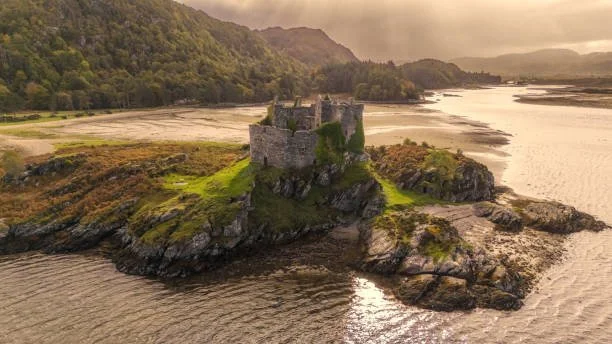
Tioram Castle, Acharacle, Scotland
There is something deeply romantic about the idea of eloping to Scotland.
Perhaps it is the landscape: the quiet lochs, the wild glens, the soft mist across the hills, the ancient castles, the woodland paths, the sea air, the sense that the place itself is holding part of the story.
For many couples, eloping is not about “running away” at all. It is about choosing a wedding day that feels intimate, meaningful and completely true to them.
And the good news is this: yes, couples from overseas can legally marry in Scotland.
Whether you are travelling from Australia, the USA, Canada, Europe or elsewhere in the world, it is possible to have a legal Scottish wedding, provided the right paperwork, visa requirements and registrar process are completed in advance.
This guide gives you a simple overview of what to think about.
Can non-UK citizens legally marry in Scotland?
Yes. Non-UK citizens can get legally married in Scotland.
You do not need to live in Scotland, and you do not need to be a UK citizen. However, you do need to meet the legal requirements for marriage in Scotland and complete the correct notice forms with the registrar in the Scottish district where your ceremony will take place.
If either of you is a non-UK national, you may also be subject to UK immigration requirements, so it is important to check what visa or entry permission you need before travelling.
Do we need a Marriage Visitor visa?
Many overseas couples who are coming to Scotland specifically to marry, and who do not intend to settle in the UK afterwards, will need to apply for a Marriage Visitor visa.
This usually applies if you are not:
a British citizen
an Irish citizen
someone with settled or pre-settled status under the EU Settlement Scheme
someone with another relevant UK immigration status
Couples travelling from countries such as Australia, the USA and Canada should check the current UK Government guidance carefully.
A Marriage Visitor visa allows you to come to the UK to marry or register a civil partnership, but it does not allow you to settle, work, study, or extend your stay in the UK afterwards.

When should we apply for the visa?
You can usually apply for a Marriage Visitor visa up to 3 months before you travel to the UK.
It is wise not to leave this too late. Even where standard processing times are relatively quick, wedding planning from overseas already involves enough moving parts without adding avoidable visa stress.
You will usually need to:
complete an online visa application
pay the visa fee
attend a biometric appointment at a visa application centre
provide supporting documents
wait for a decision before travelling
The current UK Government guidance says that a decision is usually made within 3 weeks once you have applied online, proved your identity and provided your documents.
Priority services may be available in some countries for an additional fee, but availability and cost can vary depending on where you apply.
What documents might we need for the visa?
For the visa application, you should expect to provide evidence that shows who you are, why you are travelling, and that you intend to leave the UK after your visit.
This may include:
your passport
proof of your wedding plans
confirmation from your celebrant, venue or photographer
travel and accommodation plans
evidence of funds
evidence of your intention to return home
divorce papers or a death certificate if either of you has been married before
The exact requirements can vary depending on your personal circumstances, so always check the current UK Government guidance before applying.
What Scottish marriage paperwork do we need?
Every couple marrying legally in Scotland must submit marriage notice paperwork to the registrar.
For a legal marriage ceremony, each of you will usually need to complete an M10 Marriage Notice form. You may also need to provide details of your celebrant and two witnesses.
If one or both of you is a non-UK national, you will usually also need to complete a Declaration of Status by Non-UK Nationals form and provide any additional supporting documentation requested by the registrar.
You may also need:
birth certificates or adoption certificates
valid passports
evidence of your usual residence, such as a recent utility bill
divorce, dissolution or death certificate evidence if either of you has been married or in a civil partnership before
a Certificate of No Impediment, or your country’s equivalent, if required
certified translations of any documents that are not in English
The registrar is the official source of guidance on which documents apply to your situation.
Where do we send the paperwork?
You submit your marriage notice paperwork to the registrar in the Scottish district where your ceremony will take place.
This is important.
If you are eloping to the Isle of Skye, the Highlands, Perthshire, Edinburgh, Glasgow, Stirling, Fife, Argyll or anywhere else in Scotland, the correct registrar will be the one responsible for that local area.
Once you know your ceremony location, you can identify the correct registration office.
When should we submit the Scottish marriage notice forms?
Marriage notice forms must reach the registrar at least 29 days before the wedding.
However, for overseas couples, I would strongly recommend starting much earlier than that. Around 10 to 12 weeks before the ceremony is a much calmer planning window, especially if documents need to be checked, posted, translated or clarified.
The paperwork cannot simply be submitted years in advance, so the timing does matter. Think of it as a careful little window in the planning process: not too early, definitely not too late.
For a March wedding, I would usually suggest that couples begin speaking with the registrar well before the notice window opens, so they know exactly what will be required.
What happens after the paperwork is approved?
Once the registrar has checked the forms and is satisfied there is no legal reason the marriage cannot take place, they will prepare the marriage schedule.
The marriage schedule is a very important legal document. Without it, the legal ceremony cannot go ahead.
For a religious or belief ceremony with an authorised celebrant, one of the couple must collect the schedule from the registrar shortly before the wedding. This is usually no more than 7 days before the ceremony and no less than 29 days after the notice has been submitted.
You must bring the schedule to the ceremony.
After the ceremony, the schedule is signed by:
both of you
your two witnesses
your authorised celebrant
It then needs to be returned to the registrar within 3 days so the marriage can be registered.
Do we need witnesses?
Yes. You need two witnesses for a legal wedding in Scotland.
Your witnesses must be aged 16 or over. They can be family members, friends, guests, or sometimes people arranged locally if you are having a very private elopement.
If you are travelling just as a couple, it is worth thinking about your witness arrangements early.
Can we have a legal outdoor ceremony in Scotland?
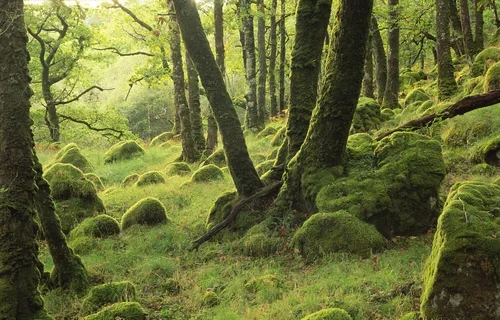
Yes. One of the beautiful things about Scotland is that legal weddings are not limited to traditional indoor venues.
With an authorised celebrant, you can marry in many different settings, including outdoor locations, provided the ceremony is safe, respectful and properly arranged.
That might be:
beside a loch
in woodland
in a garden
in castle grounds
on a beach
in the hills
at a small venue or private accommodation
For outdoor elopements, it is always wise to have a practical weather plan. Scotland is beautiful, but she does like to keep us humble.
Think footwear, layers, wind, rain, access, parking, daylight and whether your guests — if you have any — will be comfortable.
What does a celebrant do for an elopement?
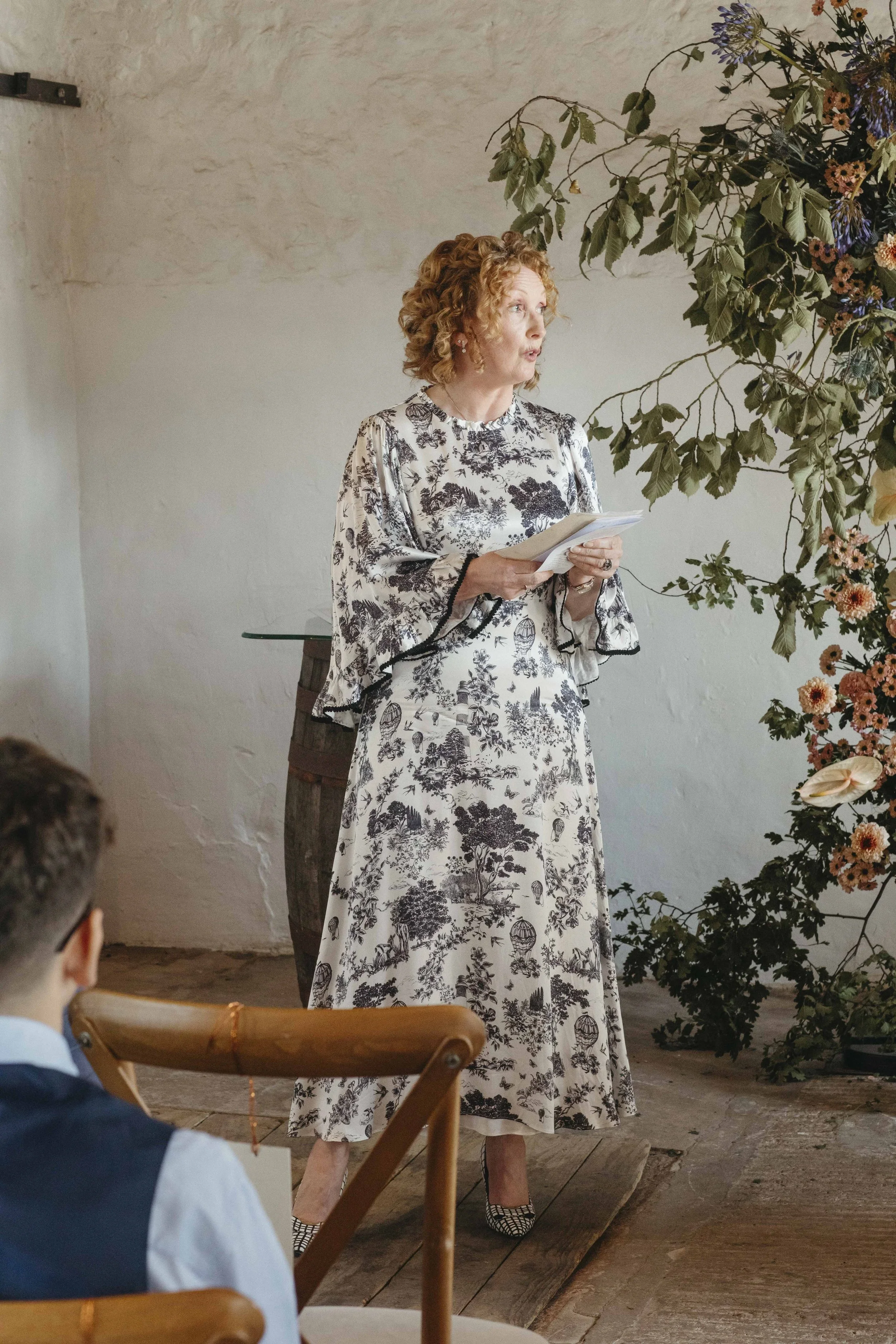
An authorised celebrant can conduct your legal marriage ceremony in Scotland.
But the role is not only legal.
A celebrant helps shape the ceremony around you: your story, your values, your promises, your tone and the feeling you want the moment to hold.
For an elopement, this can be especially important. With fewer people present, every word matters. The ceremony does not need to be long or elaborate, but it should feel intentional.
It might include:
personal vows
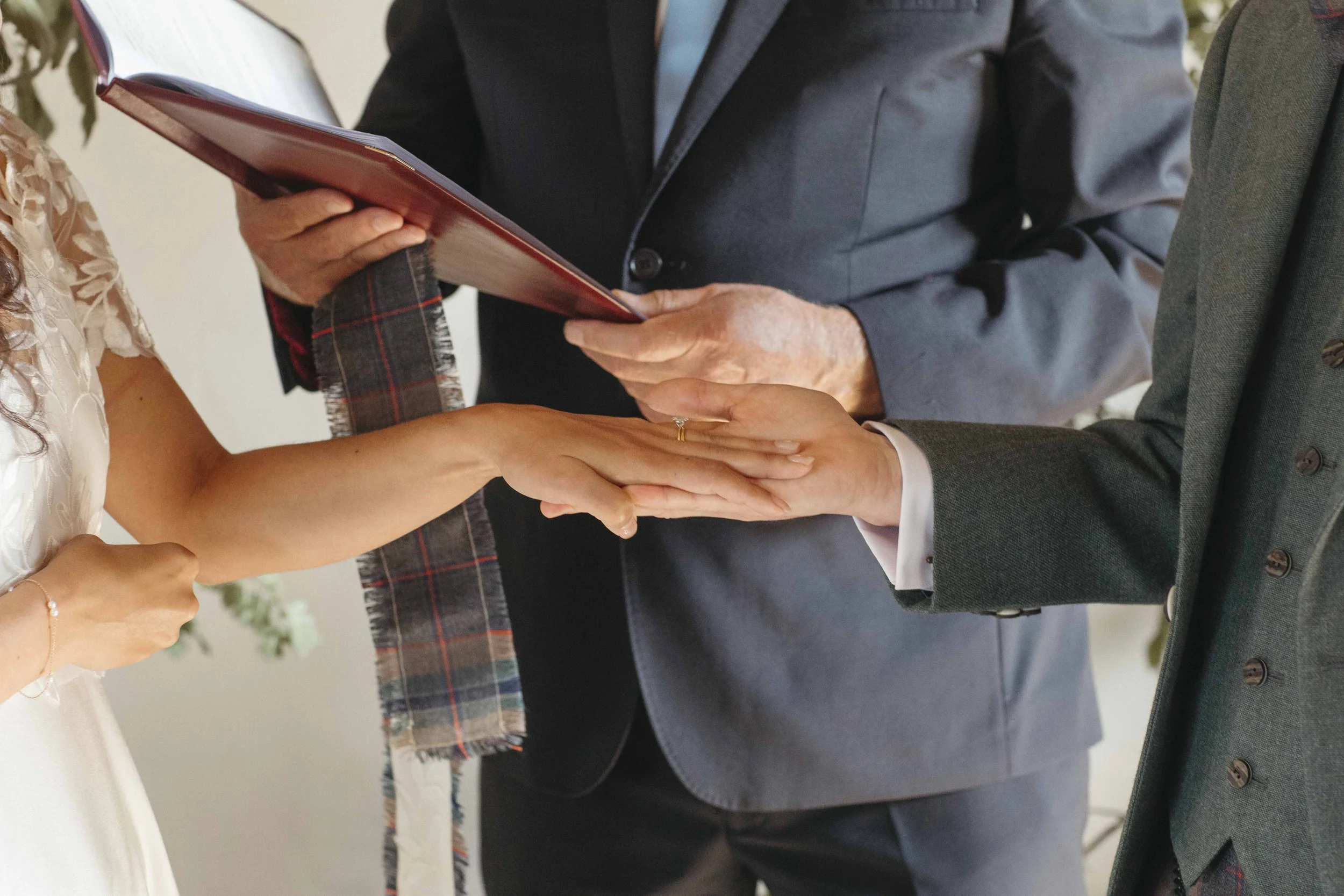
a handfasting
a quaich ceremony
a ring warming
a reading
a moment of remembrance
family involvement
a blessing or spiritual element
a very simple, quiet exchange of promises
A small ceremony can still be full of meaning.
In fact, sometimes the smallest ceremonies leave the deepest imprint.
What if the legal process feels overwhelming?
If the legal process feels too much, some couples choose to complete the legal marriage paperwork in their home country and then have a symbolic ceremony in Scotland.
A symbolic ceremony is not legally binding, but it can still be incredibly personal and meaningful. It can include vows, rituals, readings, music and all the emotional heart of a wedding ceremony, without the Scottish legal paperwork.
For some couples, that is the right choice. For others, the dream is to be legally married in Scotland.
Both options can be beautiful.
A simple checklist for overseas couples eloping to Scotland
Here is a helpful starting point:
Choose your preferred ceremony date
Decide where in Scotland you would like to marry
Book an authorised celebrant
Contact the local registrar for that ceremony district
Check whether you need a Marriage Visitor visa
Gather your identity, residence and status documents
Complete your M10 Marriage Notice forms
Complete any non-UK national declaration forms
Submit your paperwork within the correct timescale
Arrange your two witnesses
Collect the marriage schedule before the ceremony
Bring the schedule to the ceremony
Return the signed schedule to the registrar within 3 days
Final thoughts
Eloping to Scotland is not about having less of a wedding.
It is about choosing what matters most.
Two people. A meaningful place. Words spoken with care. Promises made with intention.
Whether you imagine standing beside a loch, beneath trees, in a quiet garden, on a hillside, or in the grounds of a beautiful Scottish venue, your elopement can be both legally valid and deeply personal.
If you are planning to travel to Scotland for your wedding, the best first steps are to choose your ceremony location, speak with an authorised celebrant, and contact the registrar for the district where your ceremony will take place.
Once those pieces are in place, the path becomes much clearer.
And then you can begin planning the part that truly matters: the ceremony itself.
Legal and visa requirements can change, so couples should always check the latest guidance from National Records of Scotland, the relevant local registrar and GOV.UK before making travel arrangements.
